

Building Psychological Safety at Work
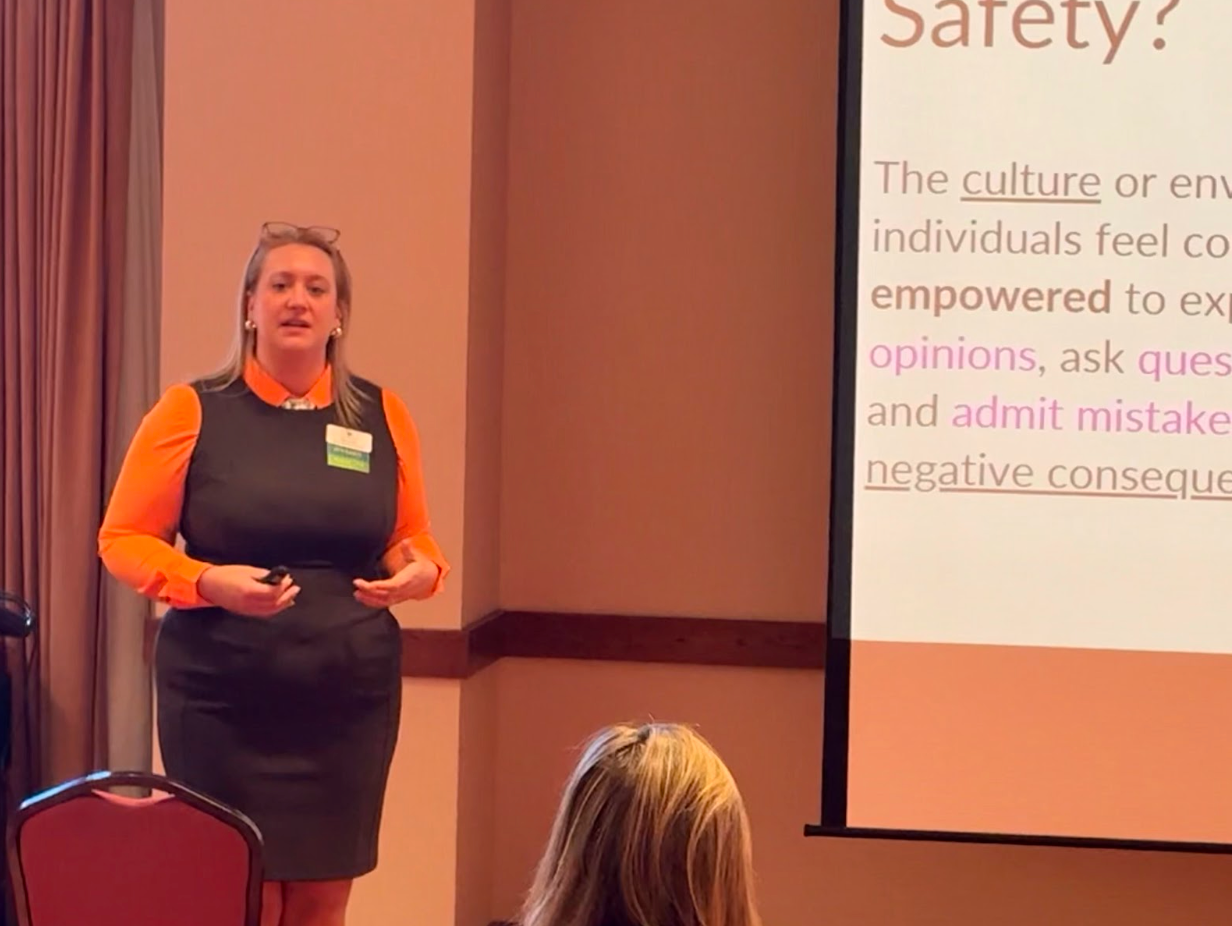
Last week, I had the opportunity to give a seminar on Mental Health Safety in the Workplace.

Last week, I had the opportunity to give a seminar on Mental Health Safety in the Workplace. It was an incredible group, eager to get tips on fighting burnout, breaking bias and being better advocates not only for themselves but also for their peers.
If you are serious about ensuring mental health safety in your workspace or jobsite, you first must understand the formula:
Psychological Safety + Communication = Happy, healthy teams
Not all safety is measured the same nor do we look at each in our personal lives with the same level of importance. Like most things in life however, balance and awareness is key and a great place to start! So let’s start by understanding the pieces that make up
psychological safety:
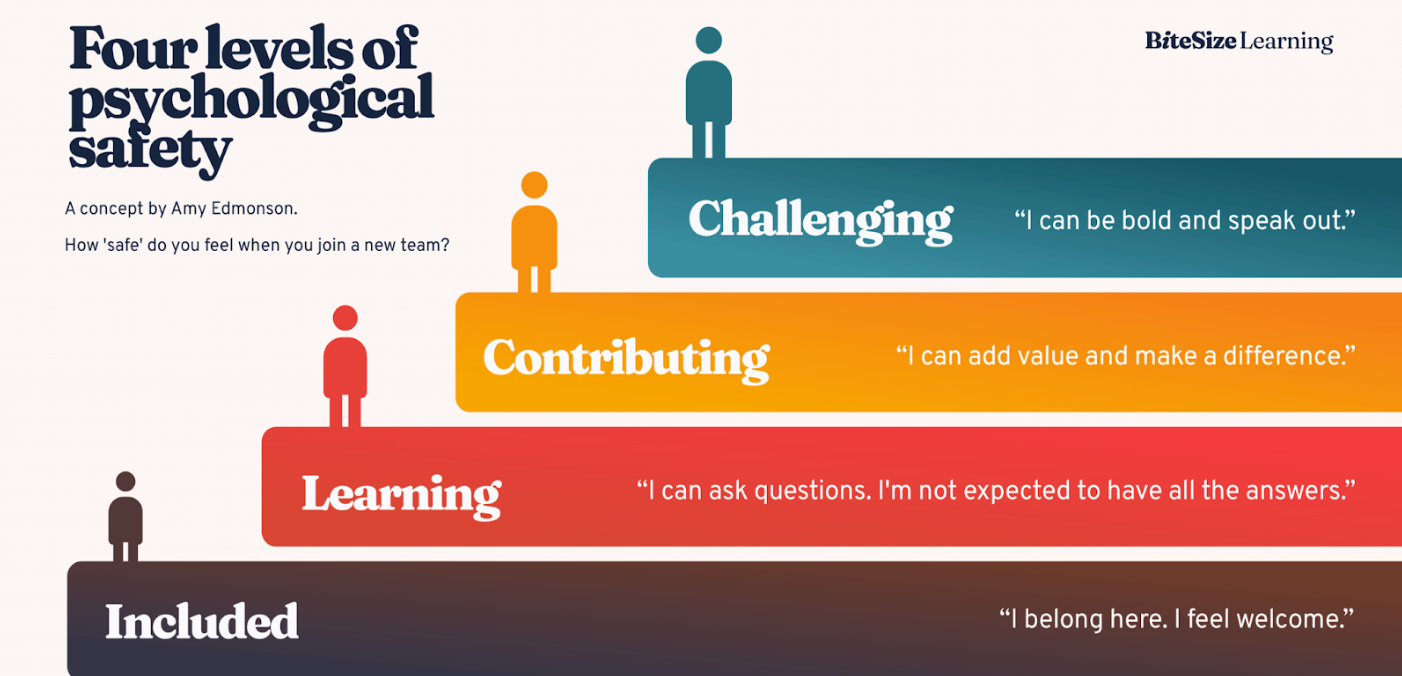
Inclusion Safety:
The fundamental human need to belong and feel accepted, where team members feel comfortable being themselves and valued for their individual strengths.
Learner Safety:
Based on the importance of a safe environment for learning and growth. When achieved, individuals feel comfortable:
- Asking questions
- Making mistakes
- Receiving feedback without fear of judgment
Contributor Safety:
Encourages individuals to share their ideas and contribute their talents, fostering a culture where people feel safe to participate and offer their perspectives without fear of ridicule or embarrassment.
Challenger Safety:
- Promotes the ability to question the status quo
- Challenge assumptions, suggest improvements
- Creates an environment where individuals feel empowered to speak up and advocate for positive change
One of the repeating themes is that when we feel safe- we speak UP! That is how we get proper communication whether it’s between the manager and their team, peer to peer or employee to client.

How can we know if we’re in a safe environment?
Answer these questions below, if you’d like to spark a discussion, put your feedback in the comments or reach out to me directly for a one-on-one conversation!
Have you faced pressure at work or in life because of your gender?
- Women: no matter how well you perform, still get high levels of criticism?
- Men: received criticism if you show your “feminine side”? Overly warm, fear judgments if you show joy/sadness, nurturing to others?
Can you think of a time you had unfair expectations/judgements of a boss or coworker because of their gender?
- A woman you judged more harshly for her strength in leadership than if she were a man?
- A man you put pressure on to confidently decide alone, rather than engaging in teamwork?
Which stage of psychological safety resonates with you the most? Why?
- Learner, challenger, inclusion or contributor (see above for refresh on meaning)
Do you feel you have the permission to bring these topics forward to your leadership/team?

Depending on how you answered the above, you may be thinking you or your team needs help growing these skills- that is totally normal! Safety is never guaranteed for many reasons
- Lack of understanding/awareness
- Change in leadership/team dynamics
- Outside forces in our home lives
- And many others
But you don’t need to accept that it is “just the way it’s always been”! In fact, you can prove your leadership by raising the flag and admitting help is needed for you and your team.
Accepting the status quo is not how we grow, that’s how we stagnate. So, prove your leadership and raise the flag.
Contact me anytime for a free team assessment and let’s start the path to safety together.