“I’ve never told anyone this before…” The Cost of Emotional Silence in Construction

Jillian Penkin • February 5, 2026

There’s a moment that happens, sometimes quietly or unexpectedly when a tradesperson finally opens up.

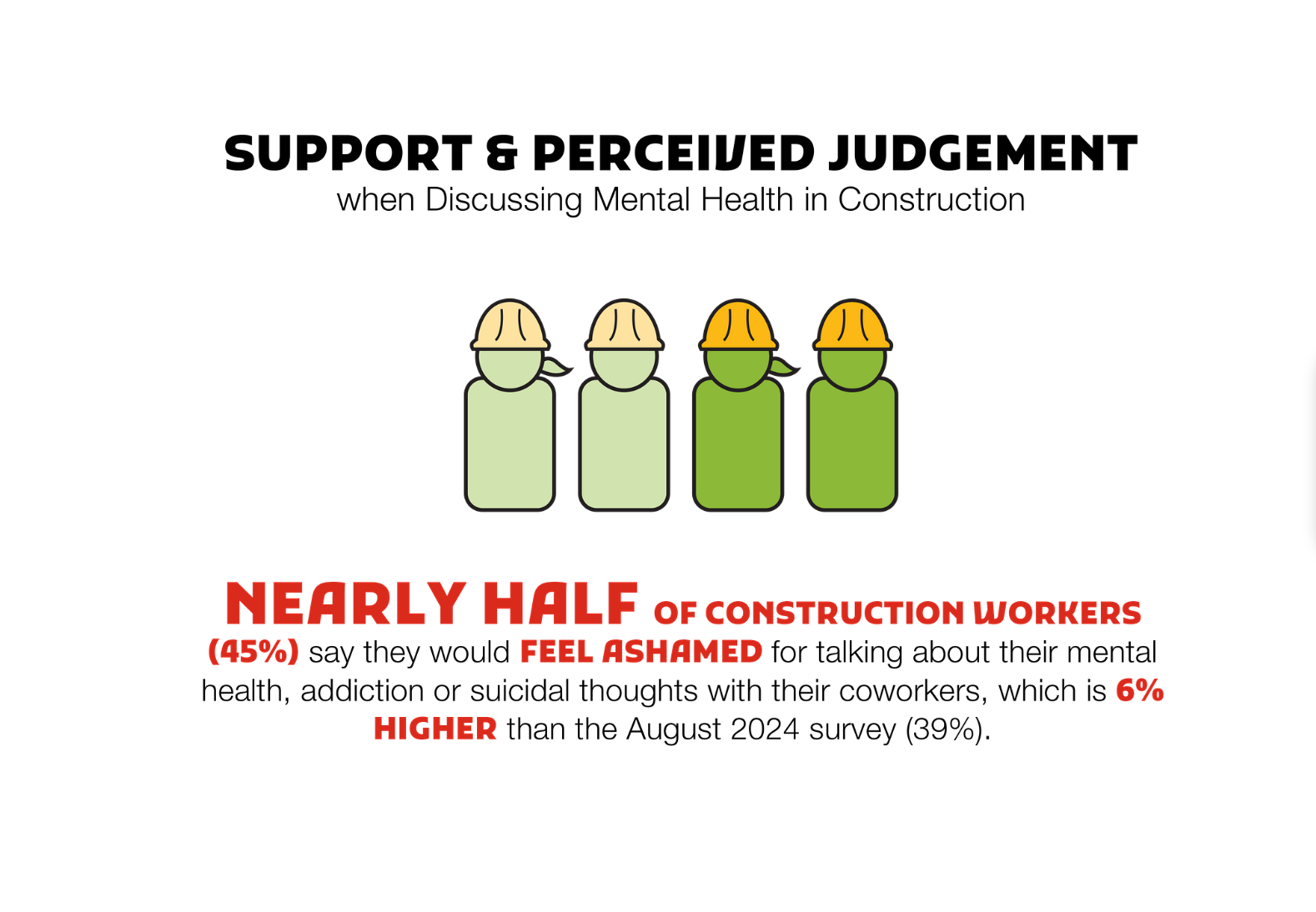
Stigma in Construction Penkin Consulting Buffalo NY

It’s not during a safety stand-down.
It’s not during a toolbox talk.
It’s usually in the in-between moments…like driving back from a jobsite, sitting on a tailgate, or standing near the job trailer when the stresses of the work day die down.

And it often starts with the same sentence:

“I’ve never told anyone this before”

That sentence carries weight. Not because it’s dramatic…but because it’s rare.

In an industry built on strength, endurance, and grit, many men are taught early that the only acceptable emotions are anger or rage. Everything else- the fear, sadness, stress, grief, uncertainty, gets filed away as “weakness”

The truth is that cultural expectation doesn’t just affect mental health. It impacts health and safety, too.

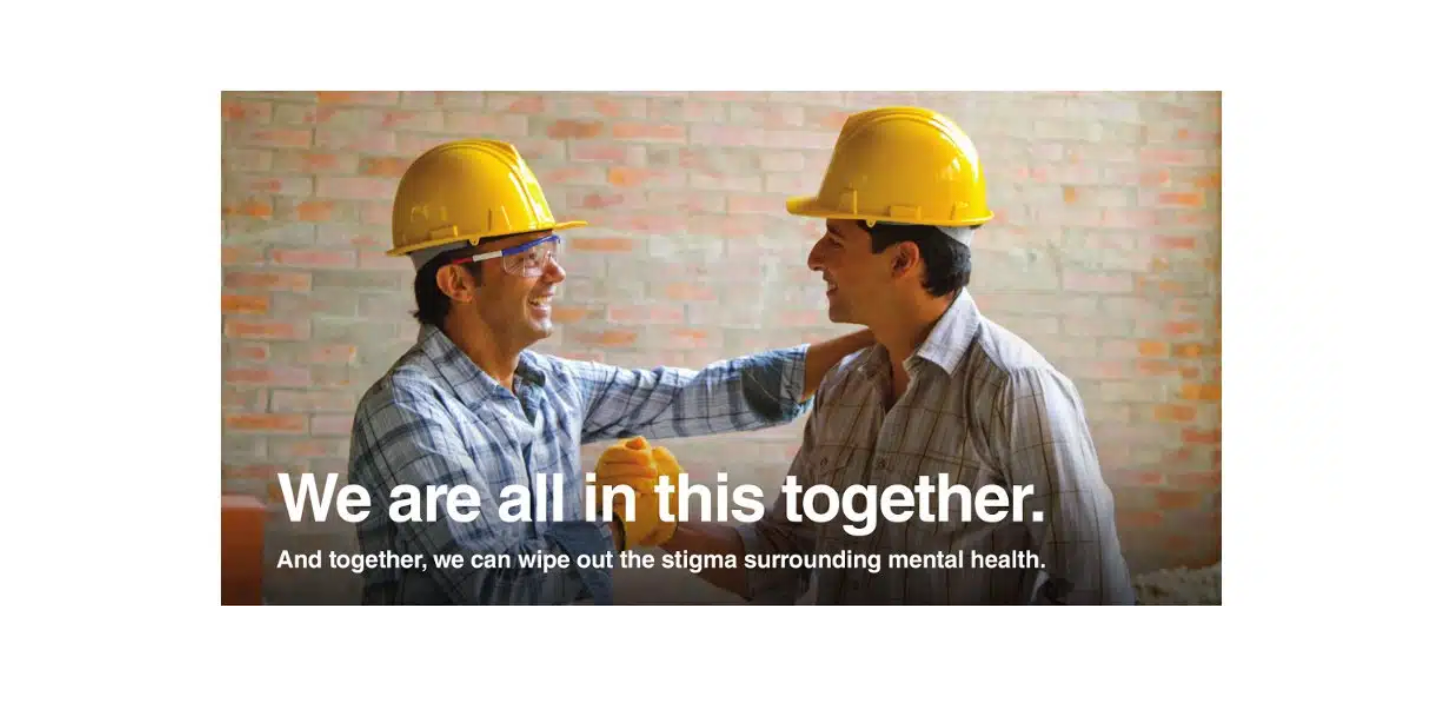
Stigma in Construction Penkin Consulting Buffalo NY

The Stigma Men Carry on the Jobsite

Let’s name it plainly: stigma

Not the kind that shows up on a sign or in a policy manual, but the kind that lives in eye-rolls, jokes, and side comments

  • “Don’t be soft”
  • “Man up”
  • “It’s not that serious”
  • “He’s losing it”
  • “That guy can’t handle pressure”

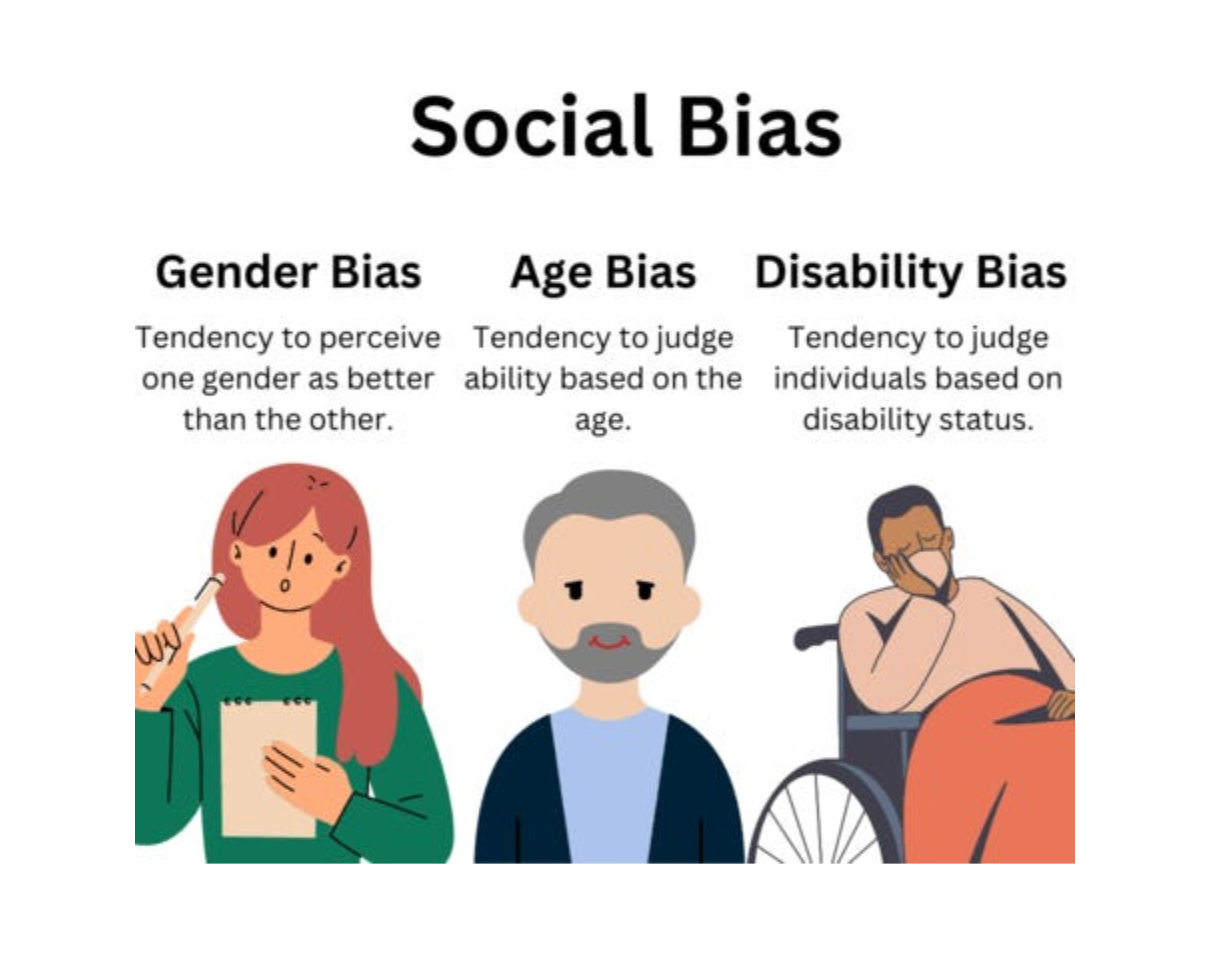
This is societal bias playing out in real time.

Because many men are expected to be calm, steady, productive, and unshakable no matter what’s happening at home, in their body, or in their head.

That expectation becomes a cultural challenge in construction:
Not just “work hard” but also,
never show what that hard work costs you.


What It Feels Like to Be Isolated (In Life, In Experience)

The part that often gets missed is what emotional restriction actually feels like. It isn’t just “holding it in”

It’s feelings of isolation in life and in experiences.

You can be surrounded by coworkers every day and still feel completely alone.

Because isolation isn’t always physical. Sometimes it’s emotional, when you believe:

  • “No one will understand”
  • “I’ll be judged”
  • “If I say it out loud, I’ll lose respect”
  • “If I’m honest, I’ll lose my job, or my identity”

Over time, that isolation doesn’t just sit quietly in the background, it starts to leak out in other ways.


The Safety Issue Nobody Talks About

In construction, we treat safety as physical. But safety is also psychological.

Research shows that a person who feels trapped emotionally is more likely to:

  • Lose focus
  • Take shortcuts
  • Stop asking for help
  • Disengage
  • Increase risk-taking behavior
  • Experience chronic stress symptoms that reduce alertness

The body keeps score

When we, and in particular men, are trained to suppress everything except anger, the result isn’t “strength” it’s a system that builds pressure until it forces an outlet, and that outlet is often unsafe.

Release Isn’t Weakness, It’s Pressure Leaving the System

Here’s a metaphor I want you to imagine:

Think of an air compressor. It’s built to hold pressure… but it’s also built with a release valve. If pressure builds and builds with nowhere to go, what happens?

Eventually something fails.

A valve…
A hose…
A fitting…

A person

That’s why release matters. Tears are not failures. They’re not unstable.
They’re often the nervous system saying,
“I can’t carry this alone anymore.”

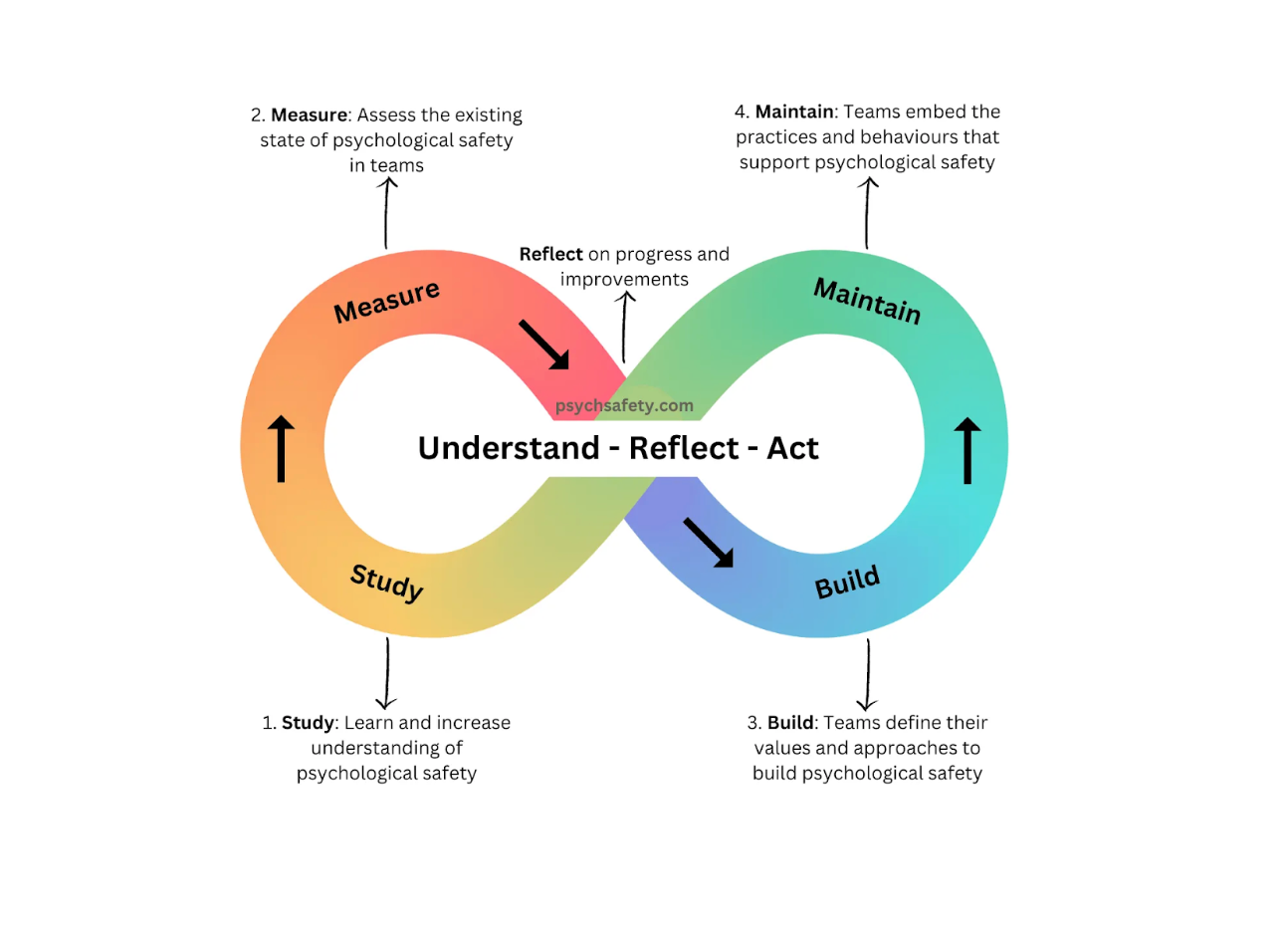
Understand Reflect Act Penkin Consulting Western NY

When Someone Finally Opens Up, You’re Making Space for Their Safety

This is where leadership and culture come in - a trust based culture

Because when someone finally opens up, you’re making space for their safety.

That moment of honesty is not just a “personal conversation” It’s a trust moment.

But here’s the question we have to ask ourselves:

Are you challenging their safety by back pedaling at the sight of tears?

Because sometimes the jobsite reaction is subtle:

  • The tone changes
  • The conversation ends quickly
  • Someone gets awkward
  • Someone tries to “fix it” instead of listening
  • Or worse, someone jokes about it later

Even if it’s unintentional, that response sends the message: “You were safe…until you showed emotion” And that is how stigma gets reinforced.

Understand Reflect Act Penkin Consulting Western NY

The Challenge: Building a Culture Where Honesty Doesn’t Get Punished

The challenge isn’t getting men to open up. The challenge is making sure that when they do, the environment doesn’t punish them for it.

Construction culture is evolving, but it still carries old expectations:

  • Don’t complain
  • Don’t feel
  • Don’t slow down
  • Don’t show weakness

Those beliefs come with a cost- emotionally, physically, operationally and in terms of safety outcomes.

If we want safer jobsites, we have to stop treating emotional expression as a liability

Because it’s not. Silence is.


The “Download” That Changes Everything

Sometimes we don’t need a lecture, we need a moment. A safe place for a download, a release of everything he’s been holding

That download might sound like:

  • “I’m not sleeping”
  • “I’m overwhelmed”
  • “My marriage is falling apart”
  • “I don’t feel like myself”
  • “I’m scared I’m going to mess up”
  • “I’m carrying too much”

And here’s what matters:

You don’t have to solve it.
You just have to hold space without judgment.


Insight + Action = Real Change

This is the line that separates good intentions from real culture change:

Insight is useless if you only understand but don’t implement change.

We can talk all day about mental health! We can post awareness graphics.We can run campaigns.

But if a man cries and gets labeled “unstable” nothing has changed. If a man shares stress and gets told to “toughen up,” nothing has changed

Because real culture change requires more than awareness

Insight + action = real change

Action doesn’t have to be complicated but it has to be consistent.

Here are a few ways leaders, foremen, supers, and teammates can shift the culture:

1) Normalize emotion without overreacting

  • You don’t have to make it a big moment. Just stay steady.

2) Don’t punish vulnerability with humor

  • Jokes can be a coping tool, but they can also be a weapon

3) Replace “fixing” with listening

Sometimes the most powerful response is:
“That makes sense.”
“I hear you.”
“Thanks for trusting me.”

4) Protect the person after the moment

  • No gossip. No “did you hear about…” later.

5) Lead by example

  • We don’t need leaders who perform perfection. We need leaders who model emotional control and emotional honesty.


A Safer Industry Includes Emotional Safety

Construction is one of the toughest industries there is but toughness should never require emotional silence.

If we want people to work safely, lead well, and stay healthy, we have to make room for the full human experience, not just anger and rage.

Because the truth is- The most dangerous thing on a jobsite isn’t tears… it’s the pressure people carry when they believe they’re not allowed to have them.


Want your teams to learn more and attend a seminar on this topic? Contact me today to create your wellness plan!

Diversity of Opinion: How To Predict a Highly Successful Team Penkin Consulting Buffalo NY
By Jillian Penkin January 20, 2026
How can we apply patterns to our team’s behavior and predict successful outcomes? Take a look at personality traits and DISC and how they create successful teams.
Building psychological safety at work Buffalo NY Penkin Consulting
By Jillian Penkin January 7, 2026
If you're serious about mental health safety in your workspace, you must understand the formula: Psychological Safety + Communication = Happy, healthy teams!
Click to read blog post: Mental Health is Jobsite Safety too
By Jillian Penkin October 10, 2025
The risks of falls, equipment & electricity are real and deserve the attention they get. But there’s another kind of hazard that often gets overlooked: mental health
click to read: Building on Solid Ground: Accountability and Trust in Construction and leadership
By Jillian Penkin August 12, 2025
In the construction industry, trust and accountability aren’t just buzzwords, they’re the bedrock that keeps projects safe, teams engaged, and businesses thriving.
click to read blog post: Intentional Collaboration: Understanding the need for Mentorship and ...
By Jillian Penkin July 28, 2025
Have you ever heard a word used so many times that it begins to lose its impact? I fear that is where many have landed with mentorship.
click to read blog post: retention resolution - Employees don't quit jobs, they quit problems
By Jillian Penkin July 16, 2025
Today, I want us to level set and have a shared understanding on what employee retention means because this has different meanings for different people.
Show More